Inheritance checklist
Bitcoin Inheritance Planning Checklist (2026)
A time-bounded checklist for setting up a Bitcoin inheritance plan in 2026 — what to do today, this week, this month, and this year, and the rehearsal that decides whether any of it would actually work without you.
TL;DR
A Bitcoin inheritance plan has four layers: discovery, recovery, legal authority, and verification. Discovery is making sure someone knows the holding exists. Recovery is a written Letter of Instruction with backup locations, descriptors, and the high-level flow. Legal authority is a will or trust that gives someone the right to act. Verification is an annual rehearsal where a trusted helper walks through the documents alone and you fix whatever trips them up. Most failures happen at layer one — heirs who do not know the bitcoin exists at all — so the highest-value step on this checklist takes fifteen minutes and is free.
The four layers of a working inheritance plan
Most Bitcoin inheritance plans fail in one of four predictable ways. A plan that is going to actually deliver the holdings to heirs needs a deliberate answer for each layer.
- Discovery. Someone needs to know the holdings exist and where the plan begins. Without this, the rest never starts.
- Recovery. A written Letter of Instruction with the wallet type, backup locations, wallet descriptor (for multisig), device PINs, and a high-level recovery flow that does not depend on you being available.
- Legal authority. A will or trust that gives the named executor or trustee the right to act on the holdings, referenced in language that does not expose recovery details to the probate record.
- Verification. An annual rehearsal where a trusted helper walks through the documents alone, and the steps that trip them up become the steps you fix in the documentation.
For the principles behind each layer — multisig coordination, executor selection, trust structures — start with the Bitcoin Inheritance Planning Guide. The checklist below assumes you have a self-custody setup already in place; if not, the Ultimate Bitcoin Safety Guide covers wallet selection and seed-phrase discipline first.
Today (15 minutes)
The single highest-leverage step on the entire checklist. Tell one trusted person — a spouse, an adult child, a sibling, a long-term friend — that you hold bitcoin, that there is a plan, and where the plan begins. They do not need to know recovery details today. They need to know that looking is part of what to do if you are gone.
Today’s checklist
- Identify one trusted person who would survive you and is willing to help.
- Tell them the holdings exist and that there is a written plan.
- Tell them where the plan will be (e.g. “with my attorney”, “in the safe-deposit box”, “in the file cabinet under ‘estate’”).
- Get their explicit “yes, I am willing to act in this role”.
If you do nothing else on this page, do this. Heirs not knowing the bitcoin exists is the most common, most expensive, and most preventable failure mode in Bitcoin inheritance. It outweighs every operational sophistication that comes after it.
This week (3-4 hours)
Two tasks, both writing-heavy. The Letter of Instruction is the operational heart of the plan. It does not need to be artful — it needs to be specific enough that someone with no Bitcoin background can follow it with help.
Task 1: Draft the Letter of Instruction (2-3 hours)
Open a plain document (paper or a private file you will print and shred-from-source). Write down, in order:
- What you have. “Bitcoin held in a 2-of-3 multisig wallet” or “Bitcoin held in a single-sig hardware wallet”. One sentence.
- Where the backups are. Each seed phrase: physical location, format (paper, metal, Shamir share), the device it pairs with.
- The wallet descriptor (multisig only). Without the descriptor, even three intact seeds cannot be reassembled into the wallet. Print and store alongside each seed backup. The multisig setup guide covers descriptor generation in detail.
- Device PINs and passwords. Stored separately from the seeds, in a way the executor can retrieve. Some users keep PINs with their attorney; others use a trusted-party split.
- The recovery flow. Three to seven sentences, no jargon. “Take any two seeds and the descriptor to a Bitcoin-literate person. Use Sparrow Wallet on a clean computer. Recover the wallet from the descriptor and the two seeds. Sign a transaction sending the coins to a wallet controlled by the estate.”
- Who to call. Two or three names of Bitcoin-literate people the executor can pay or ask for help. Inheritance planners, multisig coordinators-as-a-service, or trusted personal contacts.
Task 2: Pick where the Letter will live (1 hour)
The Letter of Instruction has to be reachable by your executor, but not by an opportunistic thief who happens to break into your house. Three patterns work:
- Sealed with your attorney. Simplest. Attorney holds a sealed envelope, opens on your death certificate. Cost: low.
- Safe-deposit box with executor co-access. Bank-grade physical security. Make sure your executor is named on the box explicitly — without that, retrieval after death can take months.
- Encrypted file with split-knowledge password. Document is encrypted; password is held by a different trusted party from the document itself. Higher operational complexity but no third-party storage cost.
What does not work: email, cloud storage with a single recoverable password, and home-only hiding spots that depend on the executor finding them under stress.
This month (2-3 hours)
Two tasks: an in-person executor briefing, and aligning the legal documents so the will or trust references the holdings without exposing recovery details.
Task 1: Brief the executor in person (1-2 hours)
Sit down with the named executor. Walk through the structure of the plan — the four layers, where the Letter of Instruction lives, who holds the PIN material, who they can call for technical help. They do not need to memorize anything. They need three things from this conversation:
- Confirmation the plan exists and where it starts.
- An explicit “yes, I am willing to act in this role”.
- One question answered: “what would I do first if you were unavailable?”
Task 2: Align the legal documents (30-60 minutes)
Your will or trust should reference the digital-asset holding at a high level and point to the Letter of Instruction without copying its contents. Sample language patterns are in the estate-document language section below. If you do not already have a will or trust, this step also includes getting one drafted; that is a multi-week process and a topic for an estate attorney, not for a Bitcoin guide.
This year (90 minutes, then annual)
The rehearsal is what separates a plan that works from a plan that looks like it works. Pick a quiet weekend. Hand the Letter of Instruction to a trusted helper — ideally someone with general technical literacy but no Bitcoin background — and have them walk through what they would do if you were unavailable, using only the document.
You sit on the other side of the room. You do not coach. Whatever step trips them up — “I do not know what a descriptor is”, “the address book contact is no longer at that number”, “the safe-deposit box does not list me as co-accessor” — is the step you fix in the document.
Set a calendar reminder for the same date next year. Re-read the Letter of Instruction with fresh eyes. Confirm every named person is still in the role. Verify each seed backup remains physically intact (corrosion, fading, relocation). Update the document to reflect any changed devices, moved holdings, or new family circumstances. Annual cadence is not arbitrary; multi-year stale plans are a common failure mode.
Multisig as an inheritance tool
Multisig — most often a 2-of-3 setup — is a powerful tool for inheritance planning because it eliminates the single-point-of-failure problem that single-sig backups have. Three independent seed phrases stored in three different locations means no single fire, theft, or storage failure costs you the holdings, and the same redundancy directly benefits heirs.
The tradeoff is operational complexity. An heir reconstructing a single-sig wallet needs one seed phrase and any modern wallet app. An heir reconstructing a multisig wallet needs two of three seeds plus the wallet descriptor plus a multisig coordinator (Sparrow Wallet, Specter Desktop, Caravan, or Electrum). Without the descriptor, the seeds alone are not enough.
For a deeper read on the structural tradeoffs, the Multisig Basics primer covers when 2-of-3 makes sense and when it does not. For the build itself, the step-by-step multisig setup guide walks through device selection, descriptor generation, and the recovery rehearsal that proves the wallet is actually recoverable.
Multisig fits inheritance planning when:
- You have time to rehearse with at least one heir or executor.
- You can store the wallet descriptor alongside each seed backup.
- You have access to a Bitcoin-literate helper (paid or personal) who can walk an heir through the recovery flow.
Multisig is a poor fit when:
- The plan must run cold by an heir with zero Bitcoin background and no helper.
- You are unwilling to maintain and verify the descriptor backup over time.
- The named executor will not engage with self-custody concepts at all.
What goes in the Letter of Instruction
A reference template, written in the order an executor would read it. Adapt the wording to your setup; do not copy any operational content verbatim from this page into your own document.
- Summary: One paragraph. “I hold bitcoin in a 2-of-3 multisig wallet. To recover it, you need any two of three seed phrases plus the wallet descriptor and a coordinator program. Names and locations are below.”
- Holdings overview: Approximate amount and storage type. Date of last review.
- Seed phrases: Each one’s physical location and format. Do not copy the words into the document — the document points to the backups, it does not contain them.
- Wallet descriptor: Multisig only. Where copies are stored.
- Device PINs and passphrases: Where the executor can retrieve them, separately from the seeds.
- Recovery flow: Plain-English steps. Three to seven sentences.
- Helpers: Names and contact details of Bitcoin-literate people the executor can pay or ask for help. Update annually.
- Final notes: Anything specific to your setup. Common examples: “the multisig coordinator is Sparrow Wallet”; “one device lives at my parents’ house”; “the descriptor backup is laminated”.
Seven common failure modes
- Heirs do not know the bitcoin exists. Beats every other failure for frequency. Solved by today’s 15-minute step.
- Seed phrase in the will. Wills typically enter probate as public record. Recovery details belong in a separate private document the will points to.
- Multisig descriptor not backed up. Three intact seed phrases without the descriptor cannot reassemble the wallet. The descriptor is part of the backup, not metadata.
- Letter of Instruction lives only on the holder’s computer. Encrypted hard drive plus dead user equals an inaccessible plan. Pick a retrievable location.
- Executor was named but never briefed. Surprises about responsibilities at the worst possible moment. Brief in person while you are healthy.
- Two-year stale documentation. Devices changed, holdings moved, named helpers no longer available. Annual review prevents most of this.
- No rehearsal. The plan looks complete on paper but has never been walked end-to-end by an outside person. The first time it gets exercised should not be when it matters.
Estate-document language (sample patterns)
These are illustrative patterns, not legal advice. Take them to an estate attorney licensed in your jurisdiction. The shape — reference the holding, point to a private document, do not copy recovery details into the will — is the durable principle; the exact wording will vary by jurisdiction and by whether you use a will, a revocable trust, or both.
In a will:
“I direct my Executor to administer my digital assets, including any bitcoin or other cryptocurrency holdings, in accordance with the separate written Letter of Instruction held by [my attorney / in safe-deposit box #X at Y Bank / by named custodian Z]. Recovery materials referenced in that Letter shall not become part of the public record of this estate.”
In a revocable trust:
“All bitcoin and digital-asset holdings titled in the name of the [Trust Name] shall be administered by the Trustee per the Letter of Instruction held by [holder]. The Trustee is authorized to engage qualified cryptocurrency recovery professionals at the expense of the trust to effectuate transfer to the named beneficiaries.”
Letter of Instruction header (private document):
“This document contains operational instructions for recovering and transferring the bitcoin holdings referenced in the Will / Trust dated [date]. It is not a public document and is not part of the estate’s probate record. The named Executor / Trustee is authorized to act on its contents.”
Hardware wallets that work for inheritance setups
Inheritance plans benefit from hardware wallets with strong recovery primitives — Shamir backup support, fully open-source firmware, and clear device displays for executors verifying addresses under stress. Multisig inheritance setups specifically benefit from picking three different vendors so a single firmware bug or supply-chain compromise cannot affect more than one quorum slot.
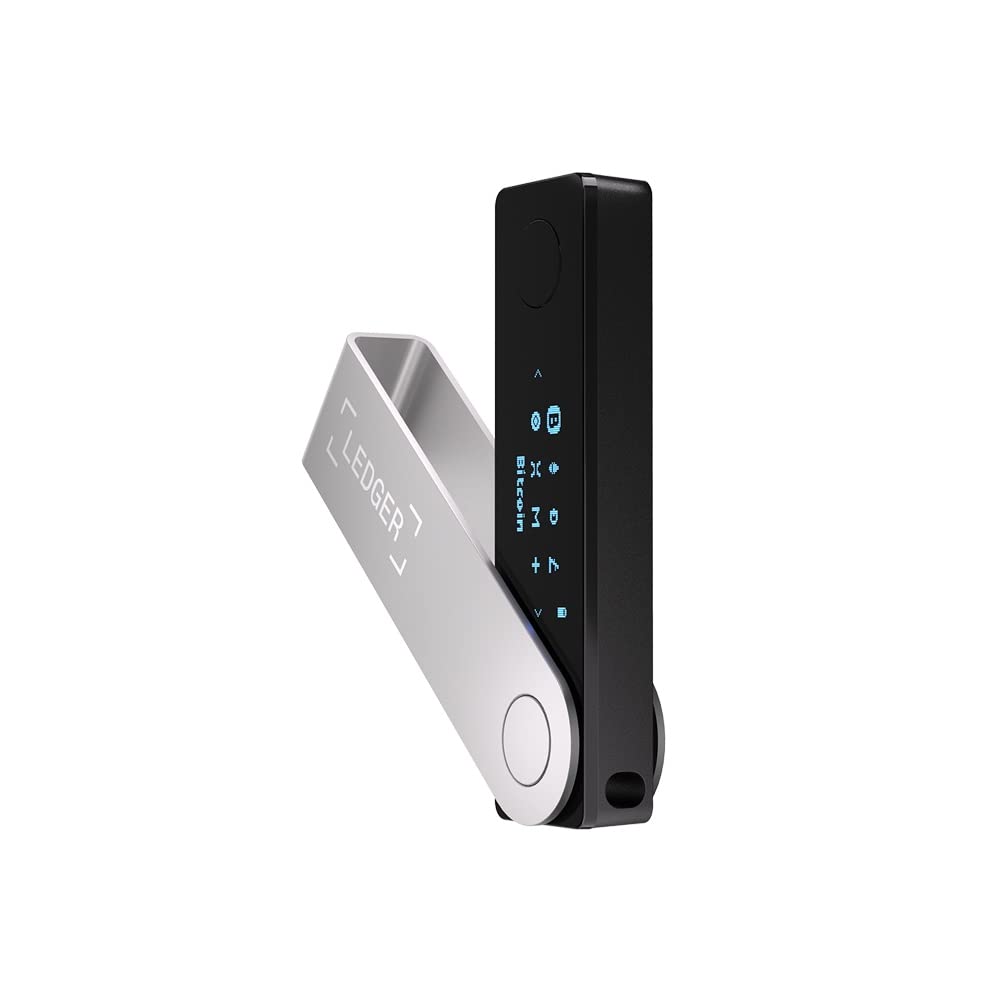
Ledger Nano X
Bluetooth-enabled hardware wallet with a CC EAL5+ secure element, USB-C, and broad multi-asset support.
Status
AvailableProprietary firmware
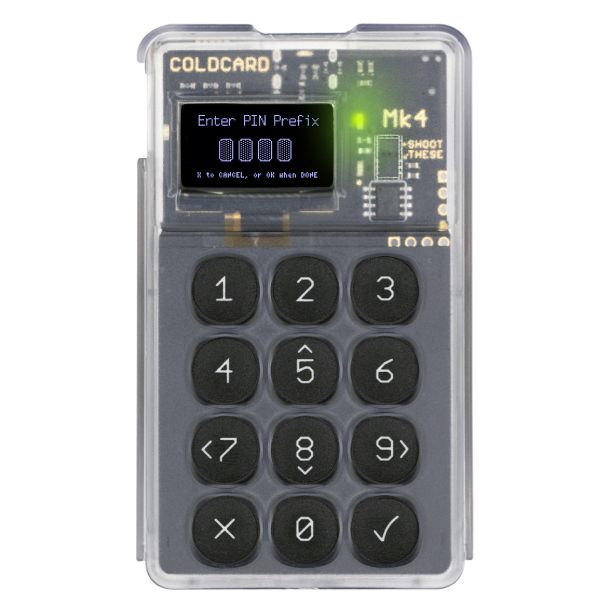
Coldcard Mk4
Bitcoin-only hardware wallet with dual secure elements, source-available firmware, and microSD-based air-gapped signing.
Status
AvailableSource-available firmware
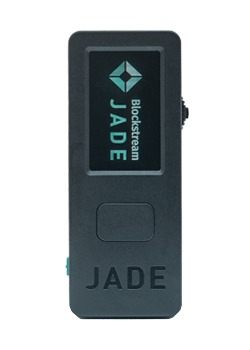
Blockstream Jade
Open-source Bitcoin and Liquid hardware wallet with USB-C, Bluetooth, camera-based QR signing, and an optional blind-oracle security model.
Status
AvailableOpen-source hardware and firmware
Frequently asked questions
What should be on a Bitcoin inheritance checklist in 2026?
Four layers: (1) discovery — at least one trusted person knows the bitcoin exists and where the plan starts; (2) recovery — written instructions, seed-phrase backups, and a wallet descriptor (for multisig) stored where heirs can actually retrieve them; (3) legal authority — a will, trust, or letter of instruction that gives someone the right to act; (4) verification — a periodic rehearsal that proves an heir using only the documents could recover the funds.
How do I include Bitcoin in an estate plan?
Reference the holdings in your will or trust at a high level (e.g. "the digital assets described in the Letter of Instruction held by [executor]") rather than putting recovery details in the will itself. The operational details — wallet types, signer locations, descriptor backup, who to contact — go in a separate, private Letter of Instruction stored alongside the seed backups or with your attorney. Wills usually become part of the probate record; recovery details should not.
What is the biggest mistake in Bitcoin inheritance planning?
Heirs not knowing the bitcoin exists. A perfectly engineered backup that nobody knows to look for is functionally lost. The single highest-value step on this checklist is making sure at least one trusted person knows the holdings exist and where the plan begins, even if they do not hold any of the recovery material today.
Should I use multisig for Bitcoin inheritance planning?
Multisig (typically 2-of-3) can simplify inheritance because no single backup is fatal — losing one seed still allows recovery with the other two. The tradeoff is operational complexity: heirs must understand the wallet descriptor, the coordinator software, and the signing flow. Multisig is a good fit when you have time to rehearse with your executor and at least one heir, and a poor fit when the plan must be runnable cold by someone with no Bitcoin background.
How often should I update my Bitcoin inheritance plan?
Treat the plan like a fire drill: review it on a fixed annual cadence, plus any time the holdings, hardware, executors, or family situation change materially. Re-verify backups, re-read the Letter of Instruction with fresh eyes, and confirm every named person is still willing to play their role. A plan that is correct on paper but two years stale is a common failure mode.
Where should the Letter of Instruction be stored?
Somewhere your executor can reach quickly without exposing the document to opportunistic theft. Common patterns: a sealed envelope with your attorney; a safe-deposit box with explicit access rights for the executor; an encrypted file with the password held by a separate trusted party. Avoid email, cloud storage with a single recoverable password, and "hidden" home locations only you know about.
Can I just put my seed phrase in my will?
No. A will typically becomes part of the public probate record after death, which would expose the seed to anyone who reads it. Reference the digital-asset holding in the will, but keep the recovery details (seed phrases, wallet descriptors, device locations) in a separate private Letter of Instruction whose existence the will points to.
No email required
Check Your Bitcoin Safety Setup
Use the private, browser-based audit to review backups, recovery, and inheritance.
No address collected. No seed phrase requested.
Related guides
- Bitcoin Inheritance Planning Guide — the full explainer for the principles behind this checklist.
- Multisig Basics — when 2-of-3 helps inheritance and when it complicates it.
- How to Set Up a 2-of-3 Bitcoin Multisig Wallet — the operational build for multisig inheritance setups, including descriptor backup.
- Seed Phrase Backup Guide — durability and storage choices for the backups your heirs will rely on.
- Ultimate Bitcoin Safety Guide — the top-of-funnel guide if you do not already have a hardware-wallet setup in place.
- Self-Custody Safety Audit — a quick interactive audit covering backups, firmware, access, and inheritance touch points.
Continue from this risk to the next practical decision
Use the broad safety map when you need context, or open the closest specialist guide for the next action.
Start with the complete Bitcoin safety map
Separate network, price, custody, scam, transaction, backup, and inheritance risk before choosing a control.
Inspect the open Bitcoin custody threat model
Trace 12 custody threats to controls, expected evidence, residual risks, and primary sources using stable public IDs.
Build the layers that keep bitcoin safer
Connect custody, backups, access control, transaction verification, recovery, and continuity into one process.
Open the free inheritance kit
Use the free Bitcoin inheritance kit to organize roles, document references, and a rehearsal. Fill it in locally in your browser or download a blank printable PDF. No account required. Never enter wallet secrets.