Trezor One review
The original hardware wallet - affordable, open-source, and battle-tested since 2014.
Price
$69
Warranty
2y
Best for
Connectivity
USB-C
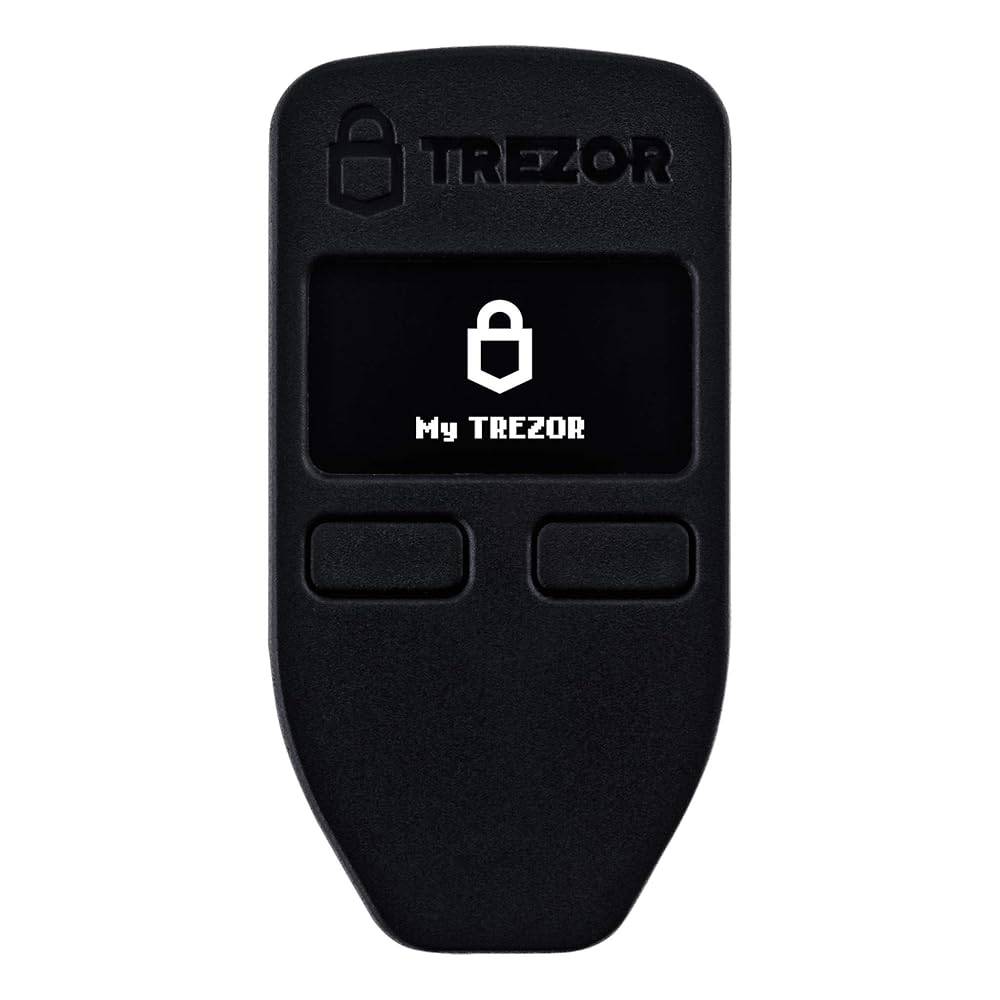
When Trezor One makes sense
This section focuses on where the device works well in practice: how it handles backups, what trust assumptions it asks you to make, and what trade-offs come with owning it long term.
Asset support
BTC, ETH, LTC, 1800+ coins
Trust model
No secure element / open-source firmware
Pros, trade-offs, and operator fit
Pros
- Most affordable option from Trezor
- Fully open-source
- Proven track record since 2014
- Simple and reliable
- Active community support
Trade-offs
- No secure element
- Small screen
- No touchscreen
- Button interface less intuitive
- Physical extraction vulnerability
Technical specifications
- Connectivity
- USB-C
- Supported assets
- BTC, ETH, LTC, 1800+ coins
- Secure element
- No
- Multisig support
- Yes
Next step
If this wallet is on your shortlist, use the safety audit to check whether your backup and recovery plan are ready for it.
Open the audit
About the author
Kevin Kinnett
Senior Software Engineer · Akur8
Kevin Kinnett is a senior software engineer with over a decade of experience in fintech, distributed systems, and cloud architecture. He runs BitcoinSafe as an independent, security-focused review site for Bitcoin hardware wallets and self-custody tooling, applying engineering rigor to a category that often relies on marketing copy. Not affiliated with any wallet manufacturer; reviews are independent. BitcoinSafe earns affiliate commissions on hardware purchases made through linked merchants, but commission structures never influence verdicts.